
AI’s Memory Squeeze Shaping Electronics Supply Chains in 2026
Buyer News | 21-01-2026 | By Sourceability
By Rob Picken, SVP Digital Transformation, Sourceability 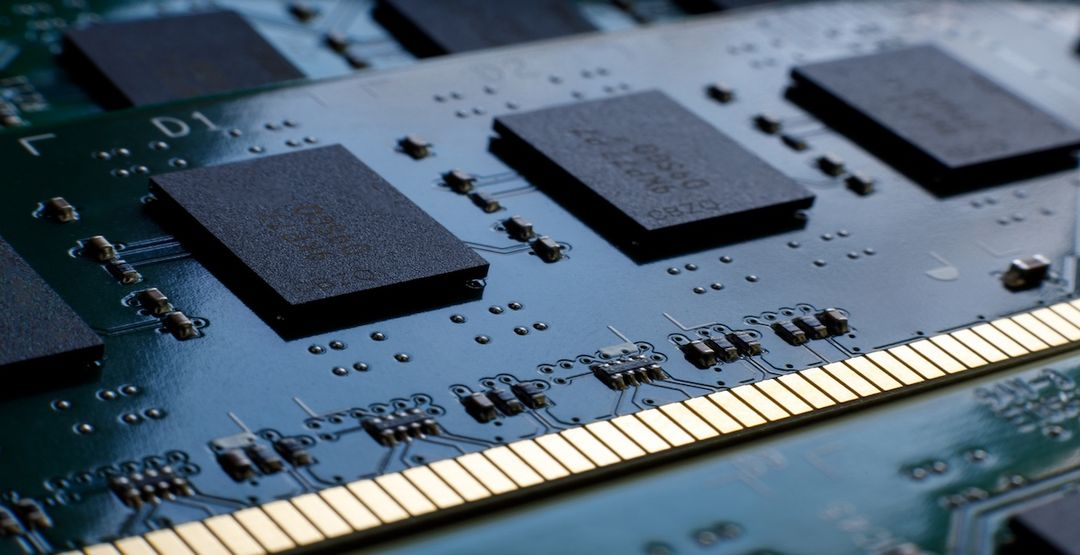
As we enter 2026, it’s clear that AI will be the underlying force fundamentally transforming the global electronics supply chain. The insatiable demand for computing power is putting unprecedented pressure on component availability and amplifying pricing volatility. The industry is being forced to rethink its approach to sourcing, production, and risk management as a result.
In this new landscape, memory and production capacity have emerged as key obstructions. To remain competitive and resilient, companies must act decisively, shifting toward proactive planning and diversifying their supplier networks. Ultimately, those who prioritize agility and foresight will be best positioned to navigate the increasing volatility and thrive in the age of AI.
Memory and Foundry Capacity Emerge as Bottlenecks in 2026
At the epicenter of AI infrastructure is the increasing demand for both advanced memory and production capacity. These two trends have started to shape the electronics supply chain and will continue to do so through 2026 as the industry struggles with persistent structural memory shortages. Simultaneously, legacy DRAM products, such as DDR4, are being phased out by major manufacturers as they restructure production strategies to produce the most advanced parts for AI and hyperscale companies.
Pricing trends are already reflecting this widening gap. In late 2025, server DRAM prices rose 4.3%, and DDR5 costs were projected to surge by as much as 30–50% per quarter through mid-2026. These increases reflect a broader pattern across many advanced node semiconductors, as manufacturers pass on rising production costs to customers. Major players, like Samsung, SK Hynix, and Micron, are simultaneously raising prices on in-demand product lines while prioritizing long-term agreements with other tech giants like Apple and Nvidia, ultimately pushing out competition.
Diversification and Long-Term Proactive Planning
In 2026, the combination of memory shortages and capacity bottlenecks will require companies to adopt more proactive and resilient sourcing strategies to maintain continuity and competitiveness. As long-term contracts with major customers becomes more normalized during this allocation-only market, there will be a renewed prioritization of supply chain diversification. An expanded supplier base and arsenal of alternative sourcing channels allow for greater flexibility and resilience against market-driven shocks.
Recent volatility trends driven by other external factors such as pandemic disruptions and geopolitical tensions have highlighted the risks of operating with minimal buffer inventory for critical components with long lead times or limited supply sources. While this transition comes with its own set of challenges and requirements for more sophisticated demand forecasting, it mitigates the risk of being caught short in an ever-tightening market.
In preparing for the next year, the electronics industry faces a landscape defined by both opportunity and uncertainty. AI-driven demand will continue to challenge what is possible, but it will also test the limits of existing supply chains. Companies that invest in long-term planning, diversify their supplier relationships, and embrace a more proactive approach to sourcing will be best positioned to thrive in this new environment. Agility and resilience are the keys to navigating the challenges ahead. By staying ahead of market trends, forging strong partnerships, and leveraging data-driven insights, the industry can turn volatility into opportunity and ensure that innovation continues to flourish in the age of AI.